


The echoes of a new industrial revolution is growing louder, powered by a force that is rapidly moving beyond abstract algorithms into the tangible world. Artificial Intelligence, paired with sophisticated automation, is not merely optimizing existing processes; it is fundamentally reshaping the very architecture of enterprise. And at the bleeding edge of this transformation stands a recent, pivotal development: the widespread adoption of Nvidia’s new RTX Pro server platform by industrial titans like Disney, Foxconn, Hyundai, Lilly, SAP, Siemens, and TSMC. This isn’t just an incremental upgrade; it’s a hardware-driven catalyst for a paradigm shift that will define the next century.
Nvidia’s Iron-Clad Bet: Accelerating the Physical AI Frontier
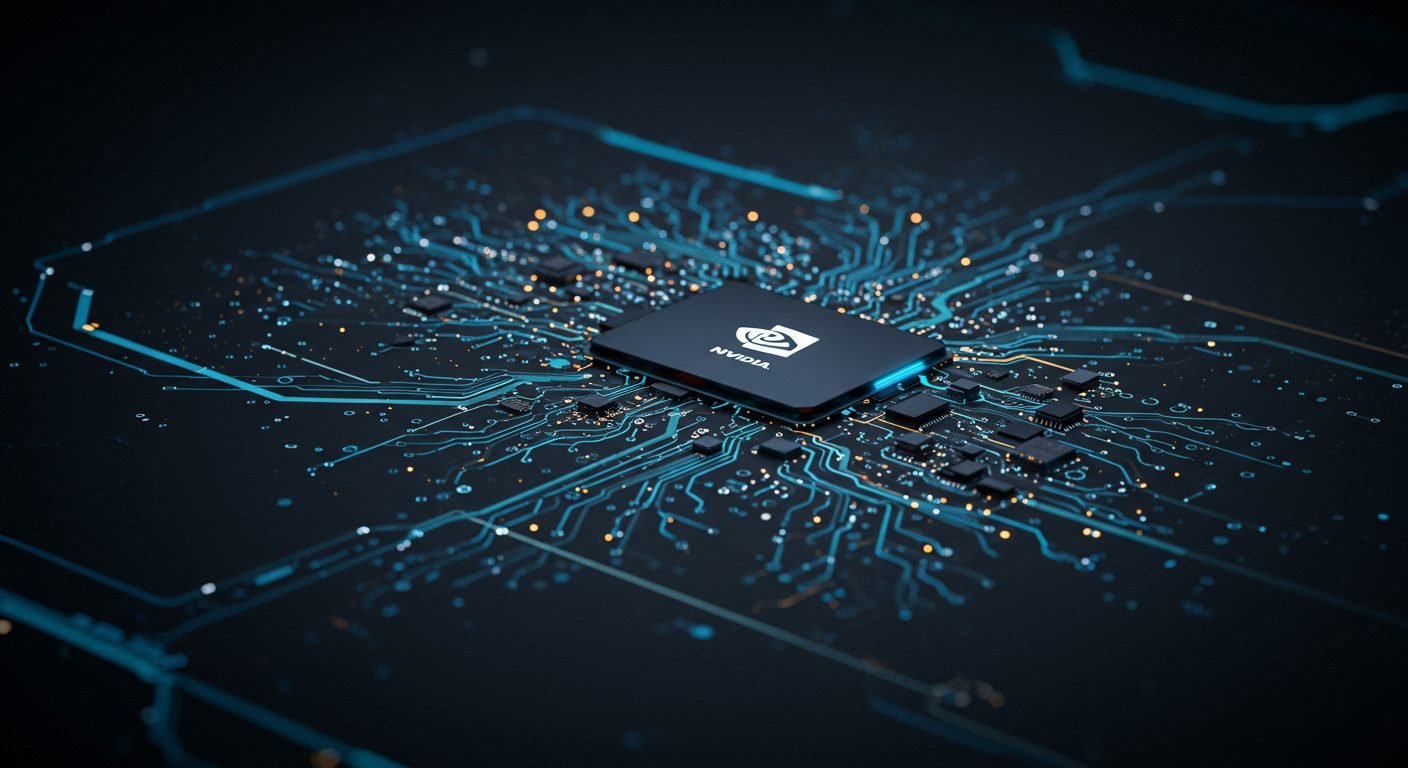
Nvidia’s RTX Pro servers, powered by their Blackwell-based GPUs, are more than just powerful computing units. They are the bedrock upon which the next generation of truly autonomous, ‘agentic’ AI workloads will be built. Foxconn, for instance, explicitly states that these servers are redefining the boundaries of AI-driven automation, from robotics to intelligent logistics and smart electric vehicles. Hitachi aims to accelerate AI innovation, leveraging these servers for digital twin creation and optimization of physical assets, including social infrastructure, and boosting productivity across business activities. Hyundai Motor Group will utilize this cutting-edge infrastructure to establish virtual testbeds for manufacturing processes, drastically reducing factory construction time, and to verify autonomous driving technology in virtual environments.
This announcement doesn’t exist in a vacuum. It appears to be a direct response to the broader industry movement towards more mature, deployed AI solutions that move beyond experimental pilot projects, signaling a concerted effort to integrate AI deeply into core operational workflows. For years, the promise of AI automation has been whispered, often bogged down by the computational demands of real-world deployment and the inherent complexities of integrating AI with physical systems. Nvidia’s move, and the rapid enterprise uptake, suggests a maturation. We are witnessing the enabling infrastructure for AI to not just analyze data, but to act in the physical world with unprecedented precision and autonomy.
The Paradigm Shift We Didn’t See Coming: From Code to Cognition
The long-term implications of this hardware revolution extend far beyond enhanced manufacturing lines or faster logistics. This is about the proliferation of physical AI, where intelligent agents don’t just exist in the cloud but are embodied in robots, digital twins, and autonomous systems. This “embodied AI” promises to imbue machines with a form of awareness of their surroundings and actions, coordinating movements and interactions with humans intuitively. This is the future where AI doesn’t just assist but independently manages complex tasks, making decisions and adapting to new situations in real-time.
While concerns about job displacement, particularly in entry-level positions exposed to AI disruption, are valid and must be addressed with proactive reskilling efforts, the grander narrative is one of profound societal reshaping. As agentic AI handles the repetitive and data-intensive, human creativity and strategic thinking are freed to tackle problems of greater complexity and impact. The push for robust governance and ethical AI frameworks will become even more critical as these autonomous systems become more ubiquitous, ensuring transparency, fairness, and accountability. The stage is set for an era where AI doesn’t just transform industries, but fundamentally redefines the relationship between humanity and technology, driving efficiency, innovation, and perhaps, a glimpse into a future we’ve only dared to imagine.
Learn More: For a deeper dive into the enterprise adoption of Nvidia’s new platform, read the original report on RCR Wireless News.